Sharp and pungent
Mustard, horseradish, wasabi and black pepper: the bite that reaches the nose.
Pungent spices have a sharp, penetrating bite that reaches the nose and sinuses. Mustard, horseradish, wasabi, black pepper, ginger and garlic belong here.
What makes them pungent
Mustard, horseradish and wasabi make isothiocyanates when the plant is crushed, which creates a quick nose-clearing sting. Black pepper's piperine gives a more lasting bite. Ginger's gingerols and garlic's allicin give their own sharp edge.
How cooks use them
Mustard is used in Indian, German, French and English food, wasabi with Japanese raw fish, horseradish with roast beef, and pepper nearly everywhere. Pungency fades with heat or time, so many are added at the end.
Sensation
Pungent bite is different from chilli burn. It comes quickly, then fades, and does not linger on the tongue.
Sharp and pungent on EveryMasala
The spices written up so far, best known first.
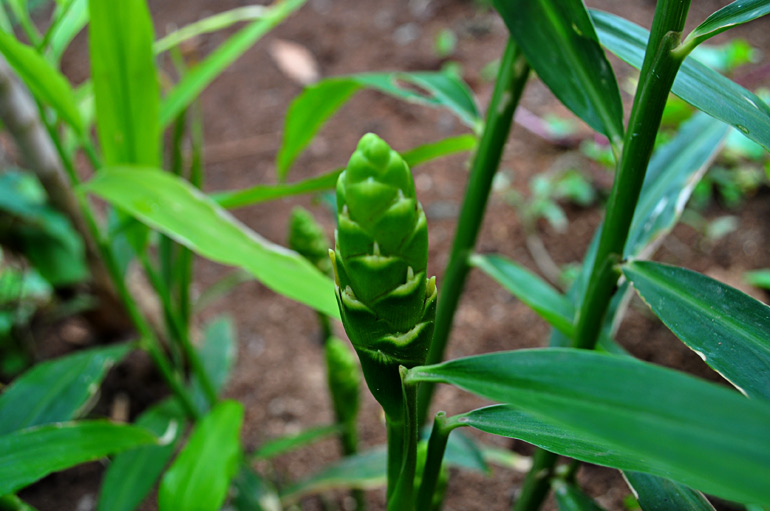 🇮🇩 Indonesia and 5 moreGinger
The pungent rhizome of a flowering perennial, one of the world's most traded spices.Root · Hot and fiery · Sharp and pungent
🇮🇩 Indonesia and 5 moreGinger
The pungent rhizome of a flowering perennial, one of the world's most traded spices.Root · Hot and fiery · Sharp and pungent
 🇺🇸 United States and 2 morePeter pepper
A rare heirloom chili with a distinctive wrinkled shape and moderate heat.Hot and fiery · Sharp and pungent
🇺🇸 United States and 2 morePeter pepper
A rare heirloom chili with a distinctive wrinkled shape and moderate heat.Hot and fiery · Sharp and pungent
 🇮🇳 India and 5 moreBlack pepper
The dried fruit of a climbing vine, the world's most traded spice.Fruit · Sharp and pungent · Hot and fiery
🇮🇳 India and 5 moreBlack pepper
The dried fruit of a climbing vine, the world's most traded spice.Fruit · Sharp and pungent · Hot and fiery
 🇮🇩 Indonesia and 5 moreIndonesian cinnamon
A strong, affordable bark from Sumatra used as a common spice and oil source.Bark · Warm and sweet-spiced · Sharp and pungent
🇮🇩 Indonesia and 5 moreIndonesian cinnamon
A strong, affordable bark from Sumatra used as a common spice and oil source.Bark · Warm and sweet-spiced · Sharp and pungent
 🇹🇷 Turkey and 5 moreBay Laurelδάφνη
The dried leaf of a Mediterranean evergreen, used to infuse slow-cooked dishes with herbal depth.Sharp and pungent · Bitter
🇹🇷 Turkey and 5 moreBay Laurelδάφνη
The dried leaf of a Mediterranean evergreen, used to infuse slow-cooked dishes with herbal depth.Sharp and pungent · Bitter
 🇮🇩 Indonesia and 4 moreClove
The dried flower bud of a tropical tree, prized for its intense warmth and numbing bite.Flower · Sharp and pungent · Warm and sweet-spiced
🇮🇩 Indonesia and 4 moreClove
The dried flower bud of a tropical tree, prized for its intense warmth and numbing bite.Flower · Sharp and pungent · Warm and sweet-spiced
 🇵🇭 PhilippinesSiling labuyo
The tiny, erect-fruited wild chili of the Philippines, known for intense heat.Chilli · Hot and fiery · Sharp and pungent
🇵🇭 PhilippinesSiling labuyo
The tiny, erect-fruited wild chili of the Philippines, known for intense heat.Chilli · Hot and fiery · Sharp and pungent
 🇲🇽 MexicoSerrano pepper
A hot Mexican chili from mountain regions, used fresh in salsas and sauces.Chilli · Hot and fiery · Sharp and pungent
🇲🇽 MexicoSerrano pepper
A hot Mexican chili from mountain regions, used fresh in salsas and sauces.Chilli · Hot and fiery · Sharp and pungent
 🇵🇪 Peru and 3 morePink peppercornmulli
The dried pink drupes of the Schinus molle tree, sold as a peppery alternative to black pepper.Fruit · Sharp and pungent · Citrus and bright
🇵🇪 Peru and 3 morePink peppercornmulli
The dried pink drupes of the Schinus molle tree, sold as a peppery alternative to black pepper.Fruit · Sharp and pungent · Citrus and bright
 🇨🇳 China and 5 moreShiso紫蘇
A mint-family herb with serrated leaves, used fresh or pickled across East Asia.Leaf · Herbal and green · Sharp and pungent
🇨🇳 China and 5 moreShiso紫蘇
A mint-family herb with serrated leaves, used fresh or pickled across East Asia.Leaf · Herbal and green · Sharp and pungent
 🇮🇳 India and 5 moreTurmericहल्दी
The dried rhizome of a tropical ginger relative, prized for its golden color and earthy bite.Root · Warm and sweet-spiced · Bitter
🇮🇳 India and 5 moreTurmericहल्दी
The dried rhizome of a tropical ginger relative, prized for its golden color and earthy bite.Root · Warm and sweet-spiced · Bitter
 🇲🇽 Mexico and 5 moreCapsicum annuum
A flowering plant producing berries of many colors and heat levels, from sweet bell peppers to fiery chilies.Fruit · Hot and fiery · Sweet and mellow
🇲🇽 Mexico and 5 moreCapsicum annuum
A flowering plant producing berries of many colors and heat levels, from sweet bell peppers to fiery chilies.Fruit · Hot and fiery · Sweet and mellow
 🇬🇳 Guinea and 5 moreGrains of paradise
The pungent, citrus-tinged seeds of a West African ginger relative.Seed · Sharp and pungent · Hot and fiery
🇬🇳 Guinea and 5 moreGrains of paradise
The pungent, citrus-tinged seeds of a West African ginger relative.Seed · Sharp and pungent · Hot and fiery
 🇹🇭 Thailand and 5 moreKaffir limeมะกรูด
The bumpy-skinned citrus fruit and double-leafed shrub of Southeast AsiaFruit · Citrus and bright · Sharp and pungent
🇹🇭 Thailand and 5 moreKaffir limeมะกรูด
The bumpy-skinned citrus fruit and double-leafed shrub of Southeast AsiaFruit · Citrus and bright · Sharp and pungent
 🇮🇱 Israel and 5 moreCoriander
The leaves and dried seeds of an annual Mediterranean herb used in cuisines worldwide.Leaf · Citrus and bright · Warm and sweet-spiced
🇮🇱 Israel and 5 moreCoriander
The leaves and dried seeds of an annual Mediterranean herb used in cuisines worldwide.Leaf · Citrus and bright · Warm and sweet-spiced
 🇲🇾 Malaysia and 3 moreKesum
An aromatic herb from Southeast Asia, used fresh in salads and soups.Leaf · Sharp and pungent · Herbal and green
🇲🇾 Malaysia and 3 moreKesum
An aromatic herb from Southeast Asia, used fresh in salads and soups.Leaf · Sharp and pungent · Herbal and green
 🇹🇷 Turkey and 5 moreBlack cumin
The tiny black seed of a wild annual flower, used across the Middle East and South Asia.Seed · Sharp and pungent · Herbal and green
🇹🇷 Turkey and 5 moreBlack cumin
The tiny black seed of a wild annual flower, used across the Middle East and South Asia.Seed · Sharp and pungent · Herbal and green
 🇵🇪 Peru and 3 moreBlack mintHuacatay
A South American marigold herb used as a paste or dried seasoning in Andean cookingLeaf · Herbal and green · Sharp and pungent
🇵🇪 Peru and 3 moreBlack mintHuacatay
A South American marigold herb used as a paste or dried seasoning in Andean cookingLeaf · Herbal and green · Sharp and pungent
 🇭🇺 Hungary and 5 moreHorseradish
A pungent root vegetable from Southeastern Europe used as a spicy condiment.Root · Hot and fiery · Sharp and pungent
🇭🇺 Hungary and 5 moreHorseradish
A pungent root vegetable from Southeastern Europe used as a spicy condiment.Root · Hot and fiery · Sharp and pungent
 🇯🇵 Japan and 1 moreSansho山椒
The dried berries and young leaves of a spiny Japanese shrub, prized for their numbing citrus heat.Seed · Citrus and bright · Numbing and tingling
🇯🇵 Japan and 1 moreSansho山椒
The dried berries and young leaves of a spiny Japanese shrub, prized for their numbing citrus heat.Seed · Citrus and bright · Numbing and tingling
 🇬🇼 Guinea-Bissau and 5 moreCalabash nutmeg
The dried seed of a West African tree, used as a local substitute for nutmeg.Warm and sweet-spiced · Sweet and mellow
🇬🇼 Guinea-Bissau and 5 moreCalabash nutmeg
The dried seed of a West African tree, used as a local substitute for nutmeg.Warm and sweet-spiced · Sweet and mellow
 🇮🇳 India and 1 moreGarden cress
A fast-growing edible herb with peppery leaves and seeds used in salads and traditional medicine.Leaf · Sharp and pungent · Sour and tart
🇻🇳 VietnamHúng lìu
A Vietnamese spice blend of cinnamon, star anise, and clove for roasted meatsWarm and sweet-spiced · Sweet and mellow
🇮🇳 India and 1 moreGarden cress
A fast-growing edible herb with peppery leaves and seeds used in salads and traditional medicine.Leaf · Sharp and pungent · Sour and tart
🇻🇳 VietnamHúng lìu
A Vietnamese spice blend of cinnamon, star anise, and clove for roasted meatsWarm and sweet-spiced · Sweet and mellow
 🇩🇿 Algeria and 5 moreBlack mustard
The dark seeds of an annual plant, used whole in oil or ground into a sharp paste.Sharp and pungent · Hot and fiery
🇩🇿 Algeria and 5 moreBlack mustard
The dark seeds of an annual plant, used whole in oil or ground into a sharp paste.Sharp and pungent · Hot and fiery
 🇮🇩 Indonesia and 3 moreCubeb
The dried fruit of a climbing vine, known for its long tail and sharp taste.Fruit · Sharp and pungent · Warm and sweet-spiced
🇮🇩 Indonesia and 3 moreCubeb
The dried fruit of a climbing vine, known for its long tail and sharp taste.Fruit · Sharp and pungent · Warm and sweet-spiced
 🇻🇳 Vietnam and 4 moreHouttuynia折耳根
A heart-shaped herb with a sharp fishy taste used in salads and teas across Asia.Leaf · Sharp and pungent · Citrus and bright
🇻🇳 Vietnam and 4 moreHouttuynia折耳根
A heart-shaped herb with a sharp fishy taste used in salads and teas across Asia.Leaf · Sharp and pungent · Citrus and bright
 🇮🇳 India and 5 moreMustard
The seed of a Brassicaceae plant used to make pungent condiments and oilHot and fiery · Sharp and pungent
🇮🇳 India and 5 moreMustard
The seed of a Brassicaceae plant used to make pungent condiments and oilHot and fiery · Sharp and pungent
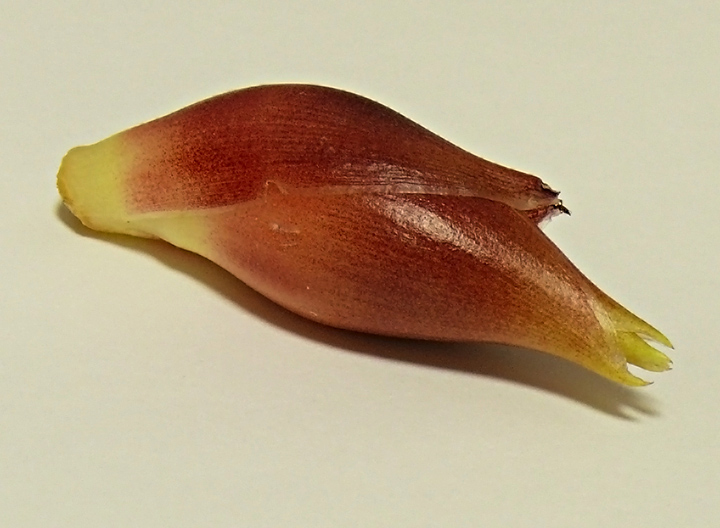 🇯🇵 Japan and 1 moreMyoga茗荷
The edible flower buds and shoots of a woodland ginger native to East Asia.Flower · Sharp and pungent · Citrus and bright
🇯🇵 Japan and 1 moreMyoga茗荷
The edible flower buds and shoots of a woodland ginger native to East Asia.Flower · Sharp and pungent · Citrus and bright
 🇮🇳 India and 5 moreBlack pepper
The dried fruit of a climbing vine, the world's most traded spice.Sharp and pungent · Hot and fiery
🇮🇳 India and 5 moreBlack pepper
The dried fruit of a climbing vine, the world's most traded spice.Sharp and pungent · Hot and fiery
 🇮🇳 India and 5 moreGinger
The pungent rhizome of a flowering plant, widely used as a spice and folk medicine.Root · Hot and fiery · Sharp and pungent
🇮🇳 India and 5 moreGinger
The pungent rhizome of a flowering plant, widely used as a spice and folk medicine.Root · Hot and fiery · Sharp and pungent
 🇦🇹 Austria and 5 moreCaraway
The crescent-shaped fruit of a carrot-family plant, used to flavour rye bread and spirits.Seed · Sharp and pungent · Anise and liquorice
🇦🇹 Austria and 5 moreCaraway
The crescent-shaped fruit of a carrot-family plant, used to flavour rye bread and spirits.Seed · Sharp and pungent · Anise and liquorice
 🇮🇳 India and 5 moreMustard seed
Tiny seeds from three Brassica plants that create pungent condiments and cooking oil.Seed · Hot and fiery · Sharp and pungent
🇮🇳 India and 5 moreMustard seed
Tiny seeds from three Brassica plants that create pungent condiments and cooking oil.Seed · Hot and fiery · Sharp and pungent
Photo credits on this page
The small pictures above come from Wikimedia Commons under free licences. Some are cropped to fit.
- Clove: Bayu Nugroho, CC BY-SA 4.0, source
- Houttuynia: Agnieszka Kwiecień, Nova, CC BY-SA 4.0, source
- Black cumin: AndreHolz at English Wikipedia, CC BY-SA 3.0, source
- Black mustard: AnRo0002, CC0, source
- Black pepper: Rainer Zenz, CC BY-SA 3.0, source
- Indonesian cinnamon: Forest & Kim Starr, CC BY 3.0, source
- Caraway: Slick, CC0, source
- Peter pepper: Brocken Inaglory, CC BY-SA 3.0, source
- Myoga: Mariko GODA, CC BY-SA 3.0, source
- Capsicum annuum: Franz Eugen Köhler, Köhler's Medizinal-Pflanzen, Public domain, source
- Turmeric: J.M.Garg, CC BY 3.0, source
- Pink peppercorn: Charles Gadbois, CC BY 3.0, source
- Serrano pepper: Cindy, CC BY-SA 2.0, source
- Horseradish: Pethan, CC BY-SA 3.0, source
- Siling labuyo: Obsidian Soul, CC BY-SA 4.0, source
- Mustard: Taken by Fanghong, CC BY 2.5, source
- Shiso: Dalgial, CC BY-SA 3.0, source
- Mustard seed: Novalis at en.wikipedia, CC BY-SA 3.0, source
- Ginger: Venkatx5, CC BY-SA 3.0, source
- Black pepper: David Monniaux, CC BY-SA 3.0, source
- Bay Laurel: Forest and Kim Starr, CC BY 3.0 us, source
- Sansho: Didier Descouens, CC BY-SA 4.0, source
- Calabash nutmeg: Samuel Curtis and William Jackson Hooker, Public domain, source
- Garden cress: Unknown author, CC BY-SA 3.0, source
- Cubeb: Kembangraps, CC BY-SA 3.0, source
- Grains of paradise: Lemmikkipuu, CC BY-SA 3.0, source
- Kaffir lime: David Monniaux, CC BY-SA 3.0, source
- Coriander: Thamizhpparithi Maari, CC BY-SA 3.0, source
- Kesum: Fornax, CC BY-SA 3.0, source
- Ginger: Forest & Kim Starr, CC BY 3.0, source
- Black mint: Arthur Chapman, CC BY 2.0, source