🇯🇵 The spices of Japan
28 spices from Japan, best known first, across 21 cities, markets and growing areas.
Japanese cooking centers on steamed rice, miso soup, and seasonal ingredients like fish and vegetables. Spices are used sparingly to highlight natural flavors rather than dominate them.
- Rice, miso soup, and three side dishes form the standard meal structure
- Sansho pepper offers citrusy numbness for fish and noodle dishes
- Fermentation in rice originally preserved fish before sushi became fresh
- Buddhist history limited meat eating for centuries, favoring seafood
- Ichiju-sansai means one soup and three sides served with rice
Spice in Japan
Washoku relies on rice, soybeans, and wheat as staples. The style emphasizes seasonal freshness and balance. Buddhist traditions historically limited meat consumption, shaping a seafood-focused diet. Modern Japan blends these roots with Western influences like curry and tonkatsu. Neighboring cultures contributed techniques, but the local approach prioritizes simplicity and ingredient integrity over heavy seasoning.
The spices of the kitchen
Sansho pepper provides a citrusy numbing heat for noodles and fish. Black pepper appears in historical records as a rare import. Garlic and other strong spices were traditionally minimized due to scarcity and dietary restrictions. Seasoning leans heavily on soy sauce, miso, and vinegar rather than dry spice blends.
Blends and pastes
Specific spice blends are not prominent in traditional washoku. Flavor comes from individual seasonings like shoyu, mirin, and dashi stock. Pickled vegetables add tang without complex mixing. Modern adaptations may use foreign mixes, but classic meals rely on pure, distinct taste profiles for each component.
Today
Japan leads globally in high-end dining recognition. Washoku holds UNESCO heritage status. Migration and trade have introduced new ingredients and techniques. Modern kitchens blend traditional methods with contemporary efficiency. Global popularity of sushi and ramen has spread Japanese seasoning concepts worldwide.
The facts in this overview come from the Wikipedia article "Japanese cuisine", written by its contributors and used under the CC BY-SA 4.0 licence. EveryMasala rewrote the text in its own words, with AI assistance, and compares every page with the article to make sure no passage is copied. It may be reused under the same CC BY-SA 4.0 licence with a link back.
Spice cities and markets of Japan
 🇯🇵 Japan and 1 moreShishito pepper獅子唐辛子 (Shishitōgarashi)
A slender East Asian chili that is mostly mild with occasional spicy surprises.Sweet and mellow · Hot and fiery
🇯🇵 Japan and 1 moreShishito pepper獅子唐辛子 (Shishitōgarashi)
A slender East Asian chili that is mostly mild with occasional spicy surprises.Sweet and mellow · Hot and fiery
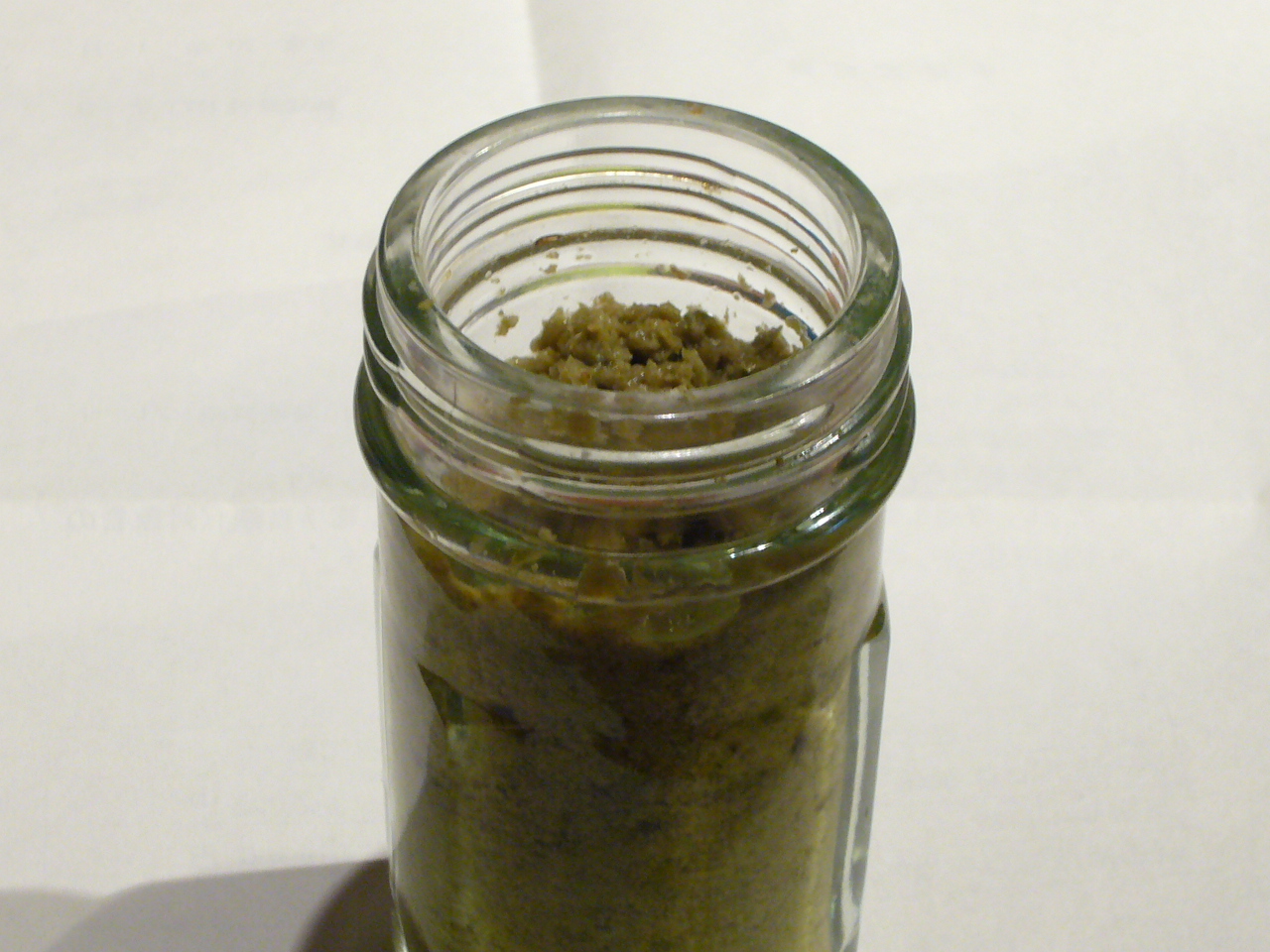 🇯🇵 JapanYuzu koshō柚子胡椒
A fermented Japanese paste of chili peppers and yuzu citrus peel.Paste · Hot and fiery · Citrus and bright
🇯🇵 JapanYuzu koshō柚子胡椒
A fermented Japanese paste of chili peppers and yuzu citrus peel.Paste · Hot and fiery · Citrus and bright
 🇯🇵 JapanKarashiからし
A potent Japanese mustard made from brown mustard seeds, served as a sharp condiment.Seed · Hot and fiery · Sharp and pungent
🇯🇵 JapanKarashiからし
A potent Japanese mustard made from brown mustard seeds, served as a sharp condiment.Seed · Hot and fiery · Sharp and pungent
 🇯🇵 JapanShichimi七味唐辛子
A Japanese seven-ingredient spice blend for finishing soups and noodlesBlend · Hot and fiery · Citrus and bright
🇯🇵 JapanShichimi七味唐辛子
A Japanese seven-ingredient spice blend for finishing soups and noodlesBlend · Hot and fiery · Citrus and bright
 🇨🇳 China and 5 moreChili oil辣椒油
A red condiment of infused vegetable oil and hot peppers used across Asia and Europe.Hot and fiery · Smoky
🇨🇳 China and 5 moreChili oil辣椒油
A red condiment of infused vegetable oil and hot peppers used across Asia and Europe.Hot and fiery · Smoky
 🇨🇳 China and 5 moreShiso紫蘇
A mint-family herb with serrated leaves, used fresh or pickled across East Asia.Leaf · Herbal and green · Sharp and pungent
🇨🇳 China and 5 moreShiso紫蘇
A mint-family herb with serrated leaves, used fresh or pickled across East Asia.Leaf · Herbal and green · Sharp and pungent
 🇯🇵 Japan and 1 moreSansho山椒
The dried berries and young leaves of a spiny Japanese shrub, prized for their numbing citrus heat.Seed · Citrus and bright · Numbing and tingling
🇯🇵 Japan and 1 moreSansho山椒
The dried berries and young leaves of a spiny Japanese shrub, prized for their numbing citrus heat.Seed · Citrus and bright · Numbing and tingling
 🇰🇷 South Korea and 5 moreKorean mint배초향
An anise-scented Asian mint leaf used in Korean stews and herbal traditionsLeaf · Anise and liquorice · Herbal and green
🇰🇷 South Korea and 5 moreKorean mint배초향
An anise-scented Asian mint leaf used in Korean stews and herbal traditionsLeaf · Anise and liquorice · Herbal and green
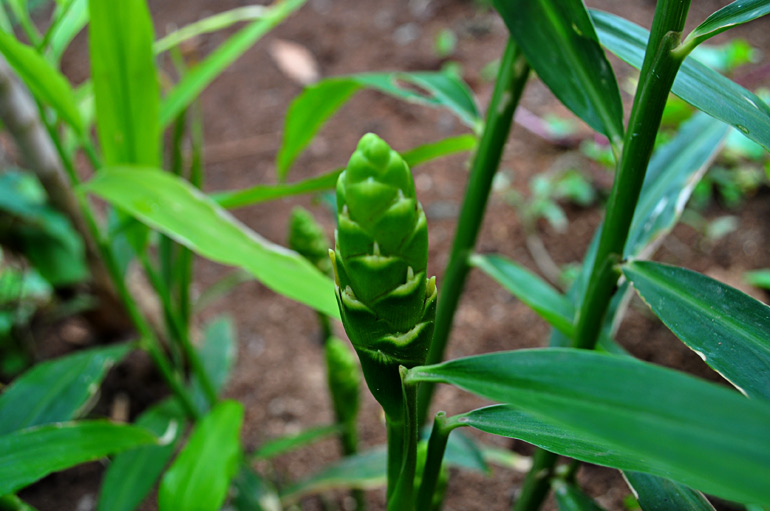 🇮🇩 Indonesia and 5 moreGinger
The pungent rhizome of a flowering perennial, one of the world's most traded spices.Root · Hot and fiery · Sharp and pungent
🇮🇳 India and 3 moreZedoarytemu putih
A bitter rhizome from the ginger family, once common in Austronesian kitchens.Root · Bitter · Sharp and pungent
🇮🇩 Indonesia and 5 moreGinger
The pungent rhizome of a flowering perennial, one of the world's most traded spices.Root · Hot and fiery · Sharp and pungent
🇮🇳 India and 3 moreZedoarytemu putih
A bitter rhizome from the ginger family, once common in Austronesian kitchens.Root · Bitter · Sharp and pungent
 🇯🇵 Japan and 3 moreWasabiわさび
The pungent rhizome of a stream-side plant, grated fresh for sushi.Paste · Sharp and pungent · Hot and fiery
🇯🇵 Japan and 3 moreWasabiわさび
The pungent rhizome of a stream-side plant, grated fresh for sushi.Paste · Sharp and pungent · Hot and fiery
 🇭🇺 Hungary and 5 moreHorseradish
A pungent root vegetable from Southeastern Europe used as a spicy condiment.Root · Hot and fiery · Sharp and pungent
🇭🇺 Hungary and 5 moreHorseradish
A pungent root vegetable from Southeastern Europe used as a spicy condiment.Root · Hot and fiery · Sharp and pungent
 🇻🇳 Vietnam and 4 moreHouttuynia折耳根
A heart-shaped herb with a sharp fishy taste used in salads and teas across Asia.Leaf · Sharp and pungent · Citrus and bright
🇻🇳 Vietnam and 4 moreHouttuynia折耳根
A heart-shaped herb with a sharp fishy taste used in salads and teas across Asia.Leaf · Sharp and pungent · Citrus and bright
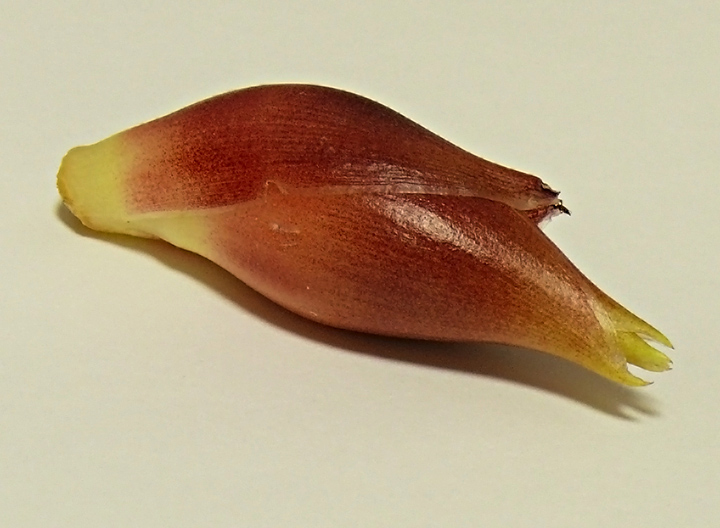 🇯🇵 Japan and 1 moreMyoga茗荷
The edible flower buds and shoots of a woodland ginger native to East Asia.Flower · Sharp and pungent · Citrus and bright
🇯🇵 Japan and 1 moreMyoga茗荷
The edible flower buds and shoots of a woodland ginger native to East Asia.Flower · Sharp and pungent · Citrus and bright
 🇮🇳 India and 5 moreGinger
The pungent rhizome of a flowering plant, widely used as a spice and folk medicine.Root · Hot and fiery · Sharp and pungent
🇮🇳 India and 5 moreGinger
The pungent rhizome of a flowering plant, widely used as a spice and folk medicine.Root · Hot and fiery · Sharp and pungent
Photo credits on this page
The small pictures above come from Wikimedia Commons under free licences. Some are cropped to fit.
- Yuzu koshō: njt, CC BY-SA 3.0, source
- Karashi: yoppy, CC BY 2.0, source
- Wasabi: Qwert1234, CC BY-SA 3.0, source
- Horseradish: Pethan, CC BY-SA 3.0, source
- Houttuynia: Agnieszka Kwiecień, Nova, CC BY-SA 4.0, source
- Sansho: Didier Descouens, CC BY-SA 4.0, source
- Myoga: Mariko GODA, CC BY-SA 3.0, source
- Ginger: Forest & Kim Starr, CC BY 3.0, source
- Shiso: Dalgial, CC BY-SA 3.0, source
- Shishito pepper: Sotaque, CC0, source
- Chili oil: Alpha, CC BY-SA 2.0, source
- Ginger: Venkatx5, CC BY-SA 3.0, source
- Korean mint: Dalgial, CC BY-SA 3.0, source
- Shichimi: http://www.recipelab.jp/sozai/detail/1779/, CC0, source
The weekly digest
Every Monday: seven spices you may not know, what is cooking this week, and one blend explained step by step.