Everyday use: spices that mark them
The spices of the working kitchen, reached for every day.
Daily cooking is the main home of spice, with a few trusted spices used every day in every kitchen, such as turmeric, cumin and chilli in India, pepper in Europe, and cinnamon and allspice in the Caribbean.
The everyday spice rack
Most households use between five and fifteen spices regularly. A typical Indian kitchen has a masala dabba, a tin holding mustard seed, cumin, turmeric, coriander, chilli and one or two others. A European kitchen has pepper, paprika, bay, thyme and cinnamon.
How skill is passed on
Families learn the proportions by watching, and the same spices can taste different in each house. Many cooks toast and grind small batches weekly.
Keeping it simple
Few spices are needed to start. Learn a handful well, buy whole where possible, and keep jars fresh.
Everyday use on EveryMasala
The spices written up so far, best known first.
 🇲🇽 Mexico and 5 moreCulantroជីរបន្លា
A tropical herb with serrated leaves, offering a deep and pungent coriander flavour.Leaf · Herbal and green · Sharp and pungent
🇲🇽 Mexico and 5 moreCulantroជីរបន្លា
A tropical herb with serrated leaves, offering a deep and pungent coriander flavour.Leaf · Herbal and green · Sharp and pungent
 🇭🇺 Hungary and 5 moreHorseradish
A pungent root vegetable from Southeastern Europe used as a spicy condiment.Root · Hot and fiery · Sharp and pungent
🇨🇳 China and 4 moreLesser galangal高良薑
An aromatic Asian rhizome with orange flesh and a sweet, gentle spiceRoot · Sweet and mellow · Warm and sweet-spiced
🇭🇺 Hungary and 5 moreHorseradish
A pungent root vegetable from Southeastern Europe used as a spicy condiment.Root · Hot and fiery · Sharp and pungent
🇨🇳 China and 4 moreLesser galangal高良薑
An aromatic Asian rhizome with orange flesh and a sweet, gentle spiceRoot · Sweet and mellow · Warm and sweet-spiced
 🇮🇳 India and 5 moreCumin
The dried seed of a small parsley-family herb, used whole or ground in many world cuisines.Seed · Warm and sweet-spiced · Earthy and deep
🇮🇳 India and 5 moreCumin
The dried seed of a small parsley-family herb, used whole or ground in many world cuisines.Seed · Warm and sweet-spiced · Earthy and deep
 🇵🇪 Peru and 3 morePink peppercornmulli
The dried pink drupes of the Schinus molle tree, sold as a peppery alternative to black pepper.Fruit · Sharp and pungent · Citrus and bright
🇵🇪 Peru and 3 morePink peppercornmulli
The dried pink drupes of the Schinus molle tree, sold as a peppery alternative to black pepper.Fruit · Sharp and pungent · Citrus and bright
 🇨🇳 China and 5 moreShiso紫蘇
A mint-family herb with serrated leaves, used fresh or pickled across East Asia.Leaf · Herbal and green · Sharp and pungent
🇨🇳 China and 5 moreShiso紫蘇
A mint-family herb with serrated leaves, used fresh or pickled across East Asia.Leaf · Herbal and green · Sharp and pungent
 🇮🇳 IndiaEdayur chilliഎടയൂർ മുളക്
A local Kerala cultivar with a GI tag, used for sun-dried curd chillies.Chilli · Hot and fiery
🇮🇳 IndiaEdayur chilliഎടയൂർ മുളക്
A local Kerala cultivar with a GI tag, used for sun-dried curd chillies.Chilli · Hot and fiery
 🇲🇽 MexicoSerrano pepper
A hot Mexican chili from mountain regions, used fresh in salsas and sauces.Chilli · Hot and fiery · Sharp and pungent
🇮🇩 Indonesia and 3 moreGalangal
The pungent rhizome of the ginger family, essential to Southeast Asian soups and pastes.Root · Sharp and pungent · Warm and sweet-spiced
🇲🇽 MexicoSerrano pepper
A hot Mexican chili from mountain regions, used fresh in salsas and sauces.Chilli · Hot and fiery · Sharp and pungent
🇮🇩 Indonesia and 3 moreGalangal
The pungent rhizome of the ginger family, essential to Southeast Asian soups and pastes.Root · Sharp and pungent · Warm and sweet-spiced
 🇫🇷 FranceSel gris
A coarse, moist sea salt harvested from the bottom of French salt pans.Sharp and pungent · Earthy and deep
🇫🇷 FranceSel gris
A coarse, moist sea salt harvested from the bottom of French salt pans.Sharp and pungent · Earthy and deep
 🇺🇸 United StatesCreole mustard
A grainy paste of brown mustard seeds, vinegar, and horseradish from Louisiana.Paste · Sharp and pungent · Sour and tart
🇺🇸 United StatesCreole mustard
A grainy paste of brown mustard seeds, vinegar, and horseradish from Louisiana.Paste · Sharp and pungent · Sour and tart
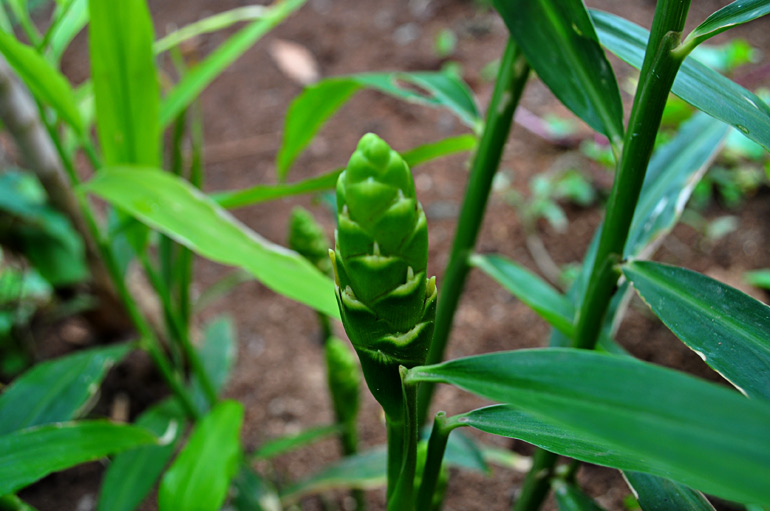 🇮🇩 Indonesia and 5 moreGinger
The pungent rhizome of a flowering perennial, one of the world's most traded spices.Root · Hot and fiery · Sharp and pungent
🇮🇩 Indonesia and 5 moreGinger
The pungent rhizome of a flowering perennial, one of the world's most traded spices.Root · Hot and fiery · Sharp and pungent
 🇬🇪 GeorgiaSvan saltსვანური მარილი
A moist, aromatic spice blend from the Georgian mountains, combining herbs with salt.Sharp and pungent · Earthy and deep
🇬🇪 GeorgiaSvan saltსვანური მარილი
A moist, aromatic spice blend from the Georgian mountains, combining herbs with salt.Sharp and pungent · Earthy and deep
 🇲🇽 MexicoGuajillo chilichile guajillo
A dried Mexican pepper with a sweet, fruity flavor and mild heat.Sweet and mellow · Hot and fiery
🇲🇽 MexicoGuajillo chilichile guajillo
A dried Mexican pepper with a sweet, fruity flavor and mild heat.Sweet and mellow · Hot and fiery
 🇮🇳 IndiaByadagi chilliಬ್ಯಾಡಗಿ ಮೆಣಸಿನಕಾಯಿ
A deep red, mild cultivar from Karnataka prized for its colour and oleoresin.Chilli · Hot and fiery · Sweet and mellow
🇮🇳 IndiaByadagi chilliಬ್ಯಾಡಗಿ ಮೆಣಸಿನಕಾಯಿ
A deep red, mild cultivar from Karnataka prized for its colour and oleoresin.Chilli · Hot and fiery · Sweet and mellow
 🇵🇹 Portugal and 4 moreRosemary
A fragrant Mediterranean shrub with needle-like leaves used for seasoning and remembranceHerbal and green
🇵🇹 Portugal and 4 moreRosemary
A fragrant Mediterranean shrub with needle-like leaves used for seasoning and remembranceHerbal and green
 🇰🇷 South Korea and 5 moreKorean mint배초향
An anise-scented Asian mint leaf used in Korean stews and herbal traditionsLeaf · Anise and liquorice · Herbal and green
🇰🇷 South Korea and 5 moreKorean mint배초향
An anise-scented Asian mint leaf used in Korean stews and herbal traditionsLeaf · Anise and liquorice · Herbal and green
 🇮🇳 India and 5 moreBlack pepper
The dried fruit of a climbing vine, the world's most traded spice.Fruit · Sharp and pungent · Hot and fiery
🇮🇳 India and 5 moreBlack pepper
The dried fruit of a climbing vine, the world's most traded spice.Fruit · Sharp and pungent · Hot and fiery
 🇹🇷 Turkey and 5 moreBay Laurelδάφνη
The dried leaf of a Mediterranean evergreen, used to infuse slow-cooked dishes with herbal depth.Sharp and pungent · Bitter
🇹🇷 Turkey and 5 moreBay Laurelδάφνη
The dried leaf of a Mediterranean evergreen, used to infuse slow-cooked dishes with herbal depth.Sharp and pungent · Bitter
 🇯🇵 Japan and 1 moreSansho山椒
The dried berries and young leaves of a spiny Japanese shrub, prized for their numbing citrus heat.Seed · Citrus and bright · Numbing and tingling
🇯🇵 Japan and 1 moreSansho山椒
The dried berries and young leaves of a spiny Japanese shrub, prized for their numbing citrus heat.Seed · Citrus and bright · Numbing and tingling
 🇬🇼 Guinea-Bissau and 5 moreCalabash nutmeg
The dried seed of a West African tree, used as a local substitute for nutmeg.Warm and sweet-spiced · Sweet and mellow
🇬🇼 Guinea-Bissau and 5 moreCalabash nutmeg
The dried seed of a West African tree, used as a local substitute for nutmeg.Warm and sweet-spiced · Sweet and mellow
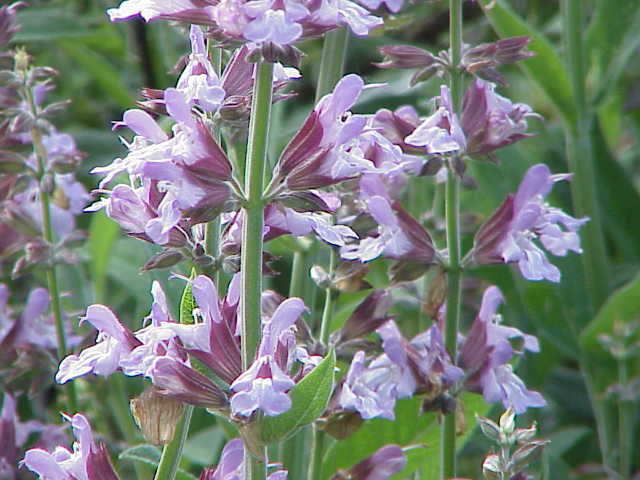 🇮🇹 Italy and 2 moreCommon sage
The gray-green leaves of a Mediterranean perennial used in European roasts and traditional remedies.Leaf · Herbal and green
🇮🇹 Italy and 2 moreCommon sage
The gray-green leaves of a Mediterranean perennial used in European roasts and traditional remedies.Leaf · Herbal and green
 🇮🇳 India and 1 moreGarden cress
A fast-growing edible herb with peppery leaves and seeds used in salads and traditional medicine.Leaf · Sharp and pungent · Sour and tart
🇮🇳 India and 1 moreGarden cress
A fast-growing edible herb with peppery leaves and seeds used in salads and traditional medicine.Leaf · Sharp and pungent · Sour and tart
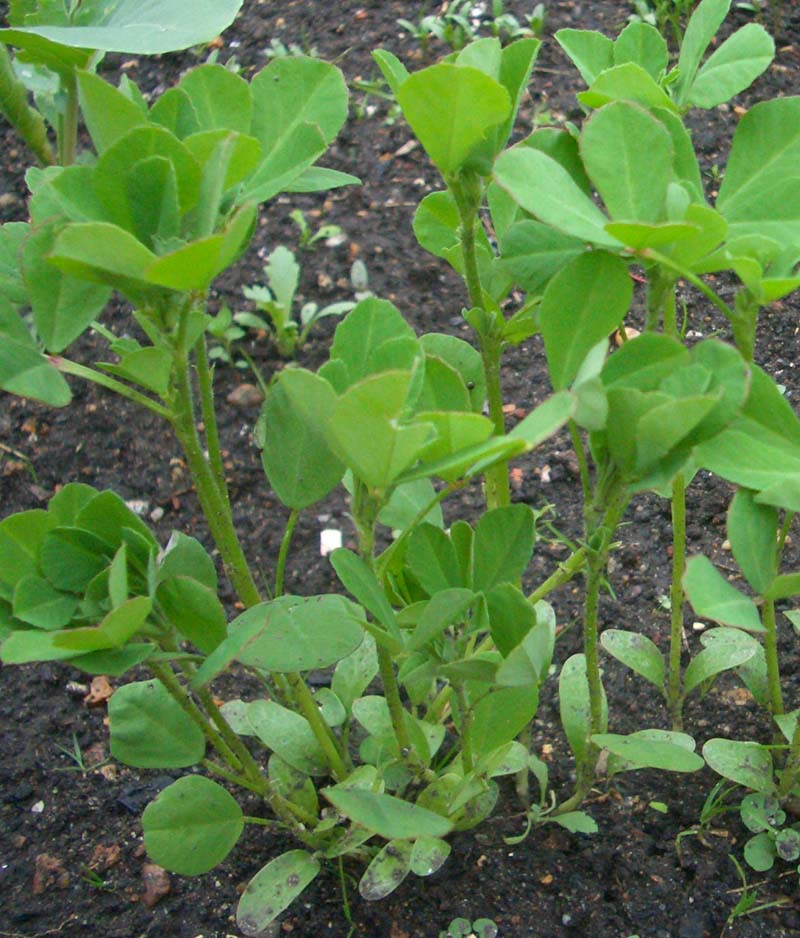 🇮🇳 India and 5 moreFenugreekحلبة (hilba)
The cuboid seed of an annual legume, prized for its bitter warmth and maple aroma.Seed · Bitter · Warm and sweet-spiced
🇮🇳 India and 5 moreFenugreekحلبة (hilba)
The cuboid seed of an annual legume, prized for its bitter warmth and maple aroma.Seed · Bitter · Warm and sweet-spiced
 🇻🇳 Vietnam and 4 moreHouttuynia折耳根
A heart-shaped herb with a sharp fishy taste used in salads and teas across Asia.Leaf · Sharp and pungent · Citrus and bright
🇻🇳 Vietnam and 4 moreHouttuynia折耳根
A heart-shaped herb with a sharp fishy taste used in salads and teas across Asia.Leaf · Sharp and pungent · Citrus and bright
 🇮🇩 Indonesia and 5 moreKencur沙姜
A stemless ginger-family rhizome with a peppery, camphorous biteRoot · Sharp and pungent · Herbal and green
🇮🇩 Indonesia and 5 moreKencur沙姜
A stemless ginger-family rhizome with a peppery, camphorous biteRoot · Sharp and pungent · Herbal and green
 🇨🇳 China and 1 moreChenpi陳皮
Sun-dried mandarin orange peel aged for use in Chinese cooking and medicineFruit · Sweet and mellow · Sharp and pungent
🇨🇳 China and 1 moreChenpi陳皮
Sun-dried mandarin orange peel aged for use in Chinese cooking and medicineFruit · Sweet and mellow · Sharp and pungent
 🇺🇸 United States and 4 moreSassafras
An aromatic tree of North America and East Asia, famed for filé powder and root teaLeaf · Citrus and bright · Anise and liquorice
🇺🇸 United States and 4 moreSassafras
An aromatic tree of North America and East Asia, famed for filé powder and root teaLeaf · Citrus and bright · Anise and liquorice
 🇵🇸 Palestine and 4 moreSyrian oreganoزَعْتَر
The aromatic herb native to the Levant, essential for making za'atar.Warm and sweet-spiced · Herbal and green
🇵🇸 Palestine and 4 moreSyrian oreganoزَعْتَر
The aromatic herb native to the Levant, essential for making za'atar.Warm and sweet-spiced · Herbal and green
 🇮🇳 India and 5 moreBlack pepper
The dried fruit of a climbing vine, the world's most traded spice.Sharp and pungent · Hot and fiery
🇮🇳 India and 5 moreBlack pepper
The dried fruit of a climbing vine, the world's most traded spice.Sharp and pungent · Hot and fiery
 🇮🇳 India and 5 moreGinger
The pungent rhizome of a flowering plant, widely used as a spice and folk medicine.Root · Hot and fiery · Sharp and pungent
🇮🇳 India and 5 moreGinger
The pungent rhizome of a flowering plant, widely used as a spice and folk medicine.Root · Hot and fiery · Sharp and pungent
 🇯🇵 JapanKōrēgusuコーレーグス
A Ryukyuan chili sauce made by soaking hot peppers in Awamori rice spirit.Hot and fiery · Sharp and pungent
🇯🇵 JapanKōrēgusuコーレーグス
A Ryukyuan chili sauce made by soaking hot peppers in Awamori rice spirit.Hot and fiery · Sharp and pungent
 🇮🇳 India and 5 moreMustard seed
Tiny seeds from three Brassica plants that create pungent condiments and cooking oil.Seed · Hot and fiery · Sharp and pungent
🇮🇳 India and 5 moreMustard seed
Tiny seeds from three Brassica plants that create pungent condiments and cooking oil.Seed · Hot and fiery · Sharp and pungent
Photo credits on this page
The small pictures above come from Wikimedia Commons under free licences. Some are cropped to fit.
- Houttuynia: Agnieszka Kwiecień, Nova, CC BY-SA 4.0, source
- Black pepper: Rainer Zenz, CC BY-SA 3.0, source
- Ginger: Forest & Kim Starr, CC BY 3.0, source
- Culantro: Maxintaft, CC BY-SA 3.0, source
- Horseradish: Pethan, CC BY-SA 3.0, source
- Kōrēgusu: ayustety, CC BY-SA 2.0, source
- Sassafras: Randy Everette, CC BY-SA 3.0, source
- Kencur: Hariadhi, CC BY-SA 4.0, source
- Cumin: Sanjay Acharya, CC BY-SA 3.0, source
- Syrian oregano: Kippi70, CC BY-SA 3.0, source
- Pink peppercorn: Charles Gadbois, CC BY 3.0, source
- Shiso: Dalgial, CC BY-SA 3.0, source
- Edayur chilli: Sanalkumar Nv, CC0, source
- Serrano pepper: Cindy, CC BY-SA 2.0, source
- Sel gris: Stéphane Gourichon, CC BY-SA 4.0, source
- Creole mustard: Mwaters1120, Public domain, source
- Mustard seed: Novalis at en.wikipedia, CC BY-SA 3.0, source
- Ginger: Venkatx5, CC BY-SA 3.0, source
- Svan salt: Jelger Groeneveld, CC BY 2.0, source
- Guajillo chili: Badagnani, CC BY 3.0, source
- Byadagi chilli: Msclrfl22, CC BY-SA 3.0, source
- Rosemary: Miguel Angel Masegosa Martínez, CC BY 2.0, source
- Korean mint: Dalgial, CC BY-SA 3.0, source
- Black pepper: David Monniaux, CC BY-SA 3.0, source
- Bay Laurel: Forest and Kim Starr, CC BY 3.0 us, source
- Sansho: Didier Descouens, CC BY-SA 4.0, source
- Calabash nutmeg: Samuel Curtis and William Jackson Hooker, Public domain, source
- Common sage: Kurt Stüber [1], CC BY-SA 3.0, source
- Garden cress: Unknown author, CC BY-SA 3.0, source
- Chenpi: Dboxes, CC BY-SA 3.0, source
- Fenugreek: Yak, CC BY-SA 3.0, source