Spices for snacks and tea time
Spiced nuts, crisps, fritters, chaat and everything eaten between meals.
Snacks are where spice is often most playful, with crisp, salty, sour and hot flavours coated in seasoning mixes made to eat between meals.
Savoury snacks
Indian chaat uses chaat masala, with black salt, amchur and cumin. Mexican snacks use chilli and lime, as with tajin on fruit. Japanese rice crackers use shichimi and nori, and North American popcorn and chips use paprika, onion, garlic and cheese powder.
Nuts and seeds
Roasted nuts and seeds are coated in spice mixes from many places, such as dukkah in Egypt, masala peanuts in India and chilli-lime peanuts in Mexico.
Tea time
Tea-time snacks, such as samosas, pakoras, scones and biscuits, bring spice to the afternoon. Cardamom biscuits, ginger cake and spiced fritters are typical.
Snacks and tea time on EveryMasala
The spices written up so far, best known first.
 🇮🇳 India and 4 moreFennel
The anise-scented seeds and crisp bulb of a Mediterranean perennial herbSeed · Anise and liquorice · Sweet and mellow
🇮🇳 India and 4 moreFennel
The anise-scented seeds and crisp bulb of a Mediterranean perennial herbSeed · Anise and liquorice · Sweet and mellow
 🇦🇹 Austria and 5 moreCaraway
The crescent-shaped fruit of a carrot-family herb, used to flavour breads and spirits.Seed · Anise and liquorice · Sharp and pungent
🇦🇹 Austria and 5 moreCaraway
The crescent-shaped fruit of a carrot-family herb, used to flavour breads and spirits.Seed · Anise and liquorice · Sharp and pungent
 🇮🇳 India and 2 moreCardamom
Aromatic seeds from spindle-shaped pods used in sweet and savory dishes across Asia and the Middle East.Seed · Sharp and pungent · Warm and sweet-spiced
🇮🇳 India and 2 moreCardamom
Aromatic seeds from spindle-shaped pods used in sweet and savory dishes across Asia and the Middle East.Seed · Sharp and pungent · Warm and sweet-spiced
 🇺🇸 United States and 1 moreCalifornian white sage
An aromatic desert shrub whose seeds flavour maize foods and roots make tonic teaSeed · Herbal and green · Sharp and pungent
🇺🇸 United States and 1 moreCalifornian white sage
An aromatic desert shrub whose seeds flavour maize foods and roots make tonic teaSeed · Herbal and green · Sharp and pungent
 🇬🇧 United Kingdom and 4 moreRock samphire
A coastal succulent with peppery leaves and carrot-scented roots, used fresh or pickled.Leaf · Hot and fiery · Sharp and pungent
🇬🇧 United Kingdom and 4 moreRock samphire
A coastal succulent with peppery leaves and carrot-scented roots, used fresh or pickled.Leaf · Hot and fiery · Sharp and pungent
 🇮🇹 Italy and 5 moreMustard
A pungent paste made from ground mustard seeds mixed with liquid and spices.Paste · Sharp and pungent · Hot and fiery
🇮🇹 Italy and 5 moreMustard
A pungent paste made from ground mustard seeds mixed with liquid and spices.Paste · Sharp and pungent · Hot and fiery
 🇯🇵 JapanKarashiからし
A potent Japanese mustard made from brown mustard seeds, served as a sharp condiment.Seed · Hot and fiery · Sharp and pungent
🇯🇵 JapanKarashiからし
A potent Japanese mustard made from brown mustard seeds, served as a sharp condiment.Seed · Hot and fiery · Sharp and pungent
 🇲🇽 Mexico and 5 moreAnnatto
The orange-red pigment from achiote seeds used as a natural food coloring and mild spice.Seed · Earthy and deep · Sweet and mellow
🇲🇽 Mexico and 5 moreAnnatto
The orange-red pigment from achiote seeds used as a natural food coloring and mild spice.Seed · Earthy and deep · Sweet and mellow
 🇦🇺 AustraliaWattleseed
The edible seed of Australian Acacia trees, traditionally ground into flour by Aboriginal Australians.Seed · Sweet and mellow · Earthy and deep
🇦🇺 AustraliaWattleseed
The edible seed of Australian Acacia trees, traditionally ground into flour by Aboriginal Australians.Seed · Sweet and mellow · Earthy and deep
 🇲🇽 Mexico and 5 morePaprika
A red powder made from dried Capsicum annuum peppers, used to colour and flavour dishes across Europe and the Middle EasSeed · Sweet and mellow · Hot and fiery
🇲🇽 Mexico and 5 morePaprika
A red powder made from dried Capsicum annuum peppers, used to colour and flavour dishes across Europe and the Middle EasSeed · Sweet and mellow · Hot and fiery
 🇹🇷 Turkey and 2 moreMahleb
A ground cherry seed used to sweeten Middle Eastern baked goods with an almond-cherry note.Seed · Sweet and mellow · Bitter
🇹🇷 Turkey and 2 moreMahleb
A ground cherry seed used to sweeten Middle Eastern baked goods with an almond-cherry note.Seed · Sweet and mellow · Bitter
 🇮🇳 India and 5 moreMustard seed
Tiny seeds from Brassica plants that become a sharp condiment or cooking oil.Seed · Sharp and pungent · Hot and fiery
🇮🇳 India and 5 moreMustard seed
Tiny seeds from Brassica plants that become a sharp condiment or cooking oil.Seed · Sharp and pungent · Hot and fiery
 🇮🇳 IndiaAmchoorआमचूर
A sour powder made from dried unripe green mangoes, used to add tang to Indian dishes.Seed · Sour and tart · Citrus and bright
🇮🇳 IndiaAmchoorआमचूर
A sour powder made from dried unripe green mangoes, used to add tang to Indian dishes.Seed · Sour and tart · Citrus and bright
 🇰🇭 CambodiaKampot pepperម្រេចកំពត
A Cambodian cultivar of black pepper with a protected geographical indication status.Seed · Sharp and pungent · Earthy and deep
🇰🇭 CambodiaKampot pepperម្រេចកំពត
A Cambodian cultivar of black pepper with a protected geographical indication status.Seed · Sharp and pungent · Earthy and deep
 🇨🇳 China and 1 moreGarlic powder
A dry, savory spice made from dehydrated and ground garlic cloves.Seed · Sharp and pungent · Earthy and deep
🇨🇳 China and 1 moreGarlic powder
A dry, savory spice made from dehydrated and ground garlic cloves.Seed · Sharp and pungent · Earthy and deep
 🇹🇷 Turkey and 5 moreBlack cumin
The tiny black seed of a wild annual flower, used across the Middle East and South Asia.Seed · Sharp and pungent · Herbal and green
🇹🇷 Turkey and 5 moreBlack cumin
The tiny black seed of a wild annual flower, used across the Middle East and South Asia.Seed · Sharp and pungent · Herbal and green
 🇮🇳 India and 5 moreCumin
The dried seed of a small parsley-family herb, used whole or ground in many world cuisines.Seed · Warm and sweet-spiced · Earthy and deep
🇮🇳 India and 5 moreCumin
The dried seed of a small parsley-family herb, used whole or ground in many world cuisines.Seed · Warm and sweet-spiced · Earthy and deep
 🇪🇸 SpainPaprika Tap de CortíPimentón de Mallorca
A sweet, sun-dried ground pepper from the Balearic Islands, prized for its deep red colour and antioxidant properties.Seed · Sweet and mellow · Earthy and deep
🇪🇸 SpainPaprika Tap de CortíPimentón de Mallorca
A sweet, sun-dried ground pepper from the Balearic Islands, prized for its deep red colour and antioxidant properties.Seed · Sweet and mellow · Earthy and deep
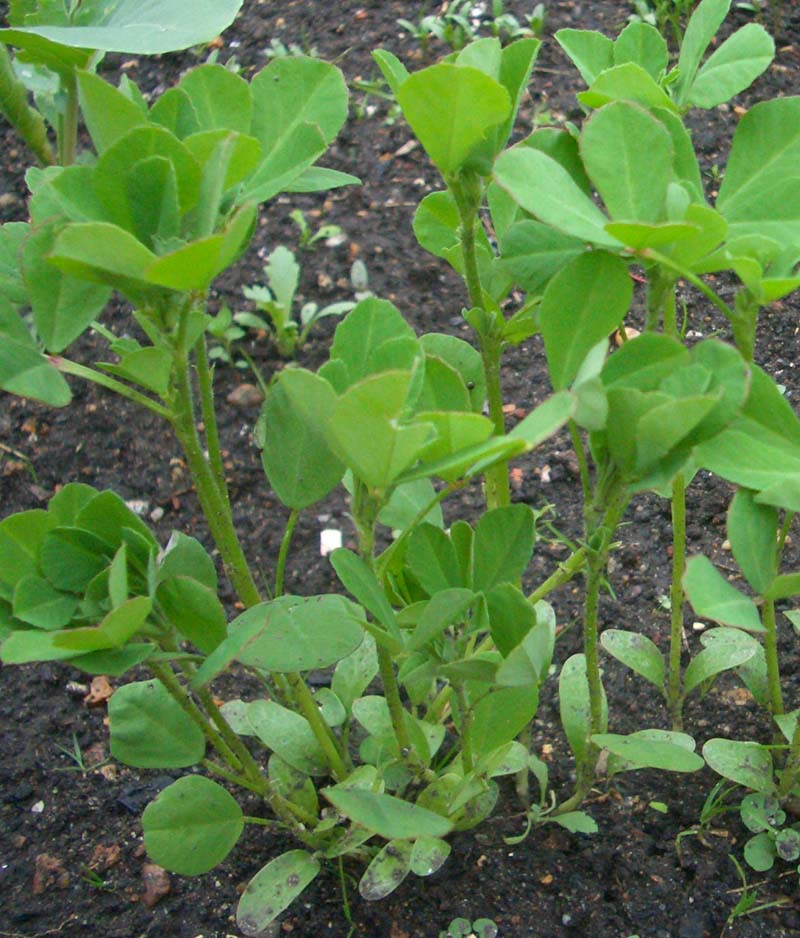 🇮🇳 India and 5 moreFenugreekحلبة (hilba)
The cuboid seed of an annual legume, prized for its bitter warmth and maple aroma.Seed · Bitter · Warm and sweet-spiced
🇮🇳 India and 5 moreFenugreekحلبة (hilba)
The cuboid seed of an annual legume, prized for its bitter warmth and maple aroma.Seed · Bitter · Warm and sweet-spiced
 🇮🇳 India and 5 moreSesame
The drought-hardy seed of a flowering plant, prized for its oil and nutty taste.Seed · Warm and sweet-spiced
🇮🇳 India and 5 moreSesame
The drought-hardy seed of a flowering plant, prized for its oil and nutty taste.Seed · Warm and sweet-spiced
 🇬🇳 Guinea and 5 moreGrains of paradise
The pungent, citrus-tinged seeds of a West African ginger relative.Seed · Sharp and pungent · Hot and fiery
🇬🇳 Guinea and 5 moreGrains of paradise
The pungent, citrus-tinged seeds of a West African ginger relative.Seed · Sharp and pungent · Hot and fiery
 🇯🇵 Japan and 1 moreSansho山椒
The dried berries and young leaves of a spiny Japanese shrub, prized for their numbing citrus heat.Seed · Citrus and bright · Numbing and tingling
🇯🇵 Japan and 1 moreSansho山椒
The dried berries and young leaves of a spiny Japanese shrub, prized for their numbing citrus heat.Seed · Citrus and bright · Numbing and tingling
 🇮🇱 Israel and 5 moreCoriander
The leaves and dried seeds of an annual Mediterranean herb used in cuisines worldwide.Leaf · Citrus and bright · Warm and sweet-spiced
🇮🇱 Israel and 5 moreCoriander
The leaves and dried seeds of an annual Mediterranean herb used in cuisines worldwide.Leaf · Citrus and bright · Warm and sweet-spiced
 🇸🇾 Syria and 5 moreSumac
A tart, crimson spice made from ground berries of the Rhus coriaria shrub.Seed · Sour and tart · Citrus and bright
🇸🇾 Syria and 5 moreSumac
A tart, crimson spice made from ground berries of the Rhus coriaria shrub.Seed · Sour and tart · Citrus and bright
 🇪🇬 Egypt and 3 moreAnise
The sweet, licorice-flavored seed of an annual herb from the Mediterranean basin.Seed · Sweet and mellow · Anise and liquorice
🇪🇬 Egypt and 3 moreAnise
The sweet, licorice-flavored seed of an annual herb from the Mediterranean basin.Seed · Sweet and mellow · Anise and liquorice
 🇮🇳 India and 1 moreGarden cress
A fast-growing edible herb with peppery leaves and seeds used in salads and traditional medicine.Leaf · Sharp and pungent · Sour and tart
🇦🇹 Austria and 5 moreCaraway
The crescent-shaped fruit of a carrot-family plant, used to flavour rye bread and spirits.Seed · Sharp and pungent · Anise and liquorice
🇮🇳 India and 1 moreGarden cress
A fast-growing edible herb with peppery leaves and seeds used in salads and traditional medicine.Leaf · Sharp and pungent · Sour and tart
🇦🇹 Austria and 5 moreCaraway
The crescent-shaped fruit of a carrot-family plant, used to flavour rye bread and spirits.Seed · Sharp and pungent · Anise and liquorice
 🇮🇳 India and 5 moreMustard seed
Tiny seeds from three Brassica plants that create pungent condiments and cooking oil.Seed · Hot and fiery · Sharp and pungent
🇮🇳 India and 5 moreMustard seed
Tiny seeds from three Brassica plants that create pungent condiments and cooking oil.Seed · Hot and fiery · Sharp and pungent
Photo credits on this page
The small pictures above come from Wikimedia Commons under free licences. Some are cropped to fit.
- Karashi: yoppy, CC BY 2.0, source
- Paprika: Takkk, CC BY-SA 3.0, source
- Garlic powder: John Phelan, CC BY-SA 3.0, source
- Mahleb: Steve Hurst @ USDA-NRCS PLANTS Database, Public domain, source
- Caraway: Slick, CC0, source
- Sicilian sumac: Dedda71, CC BY-SA 3.0, source
- Cumin: Sanjay Acharya, CC BY-SA 3.0, source
- Mustard seed: Novalis at en.wikipedia, CC BY-SA 3.0, source
- Wattleseed: division, CSIRO, CC BY 3.0, source
- Rock samphire: User:Jymm, Public domain, source
- Annatto: Porto Neto, CC BY-SA 4.0, source
- Mustard: Rainer Zenz, CC BY-SA 3.0, source
- Californian white sage: Stan Shebs, CC BY-SA 3.0, source
- Paprika Tap de Cortí: Berin, CC BY 3.0, source
- Fenugreek: Yak, CC BY-SA 3.0, source
- Cardamom: Didier Descouens, CC BY-SA 4.0, source
- Sesame: Anna Frodesiak, CC0, source
- Fennel: Elekes Andor, CC BY 4.0, source
- Grains of paradise: Lemmikkipuu, CC BY-SA 3.0, source
- Sansho: Didier Descouens, CC BY-SA 4.0, source
- Kampot pepper: PsamatheM, CC BY-SA 4.0, source
- Amchoor: Miansari66, Public domain, source
- Coriander: Thamizhpparithi Maari, CC BY-SA 3.0, source
- Mustard seed: Pancrat, CC BY-SA 3.0, source
- Anise: David Monniaux, CC BY-SA 3.0, source
- Garden cress: Unknown author, CC BY-SA 3.0, source
- Black cumin: AndreHolz at English Wikipedia, CC BY-SA 3.0, source